Supplements1 min read
Does creatine work? What the science says and how to take it
Creatine is one of the most studied supplements there is. See what it does, how to take it, and whether you need a loading phase.
Find out how much protein to eat per day (1.6 to 2.2 g per kg), why it matters, how to spread it across meals, the best sources and the most common myths.
Protein is the most important macronutrient when it comes to building or keeping muscle. The good news is that the right amount per day is no mystery: there's a well-established range that works for most people. In this article you'll see how much to eat, why it matters, how to spread it out, and which myths to ignore.
For anyone training to gain muscle or preserve it while dieting, the recommendation is 1.6 to 2.2 grams of protein per kilogram of body weight per day.
A practical example, for a 70 kg person:
Most people do well aiming around 2 g per kg. Eating well above that brings no clear extra benefit for muscle, so there's no need to overdo it.
The daily total matters most, but spreading it out helps. A good strategy is to divide protein across 3 to 5 meals, with about 20 to 40 g in each. This keeps a steady stimulus for muscle protein synthesis through the day and is easier to digest than cramming it all into one meal.
If you eat vegetarian or vegan, you can easily hit your target by combining legumes, grains and, if you like, a plant protein supplement.
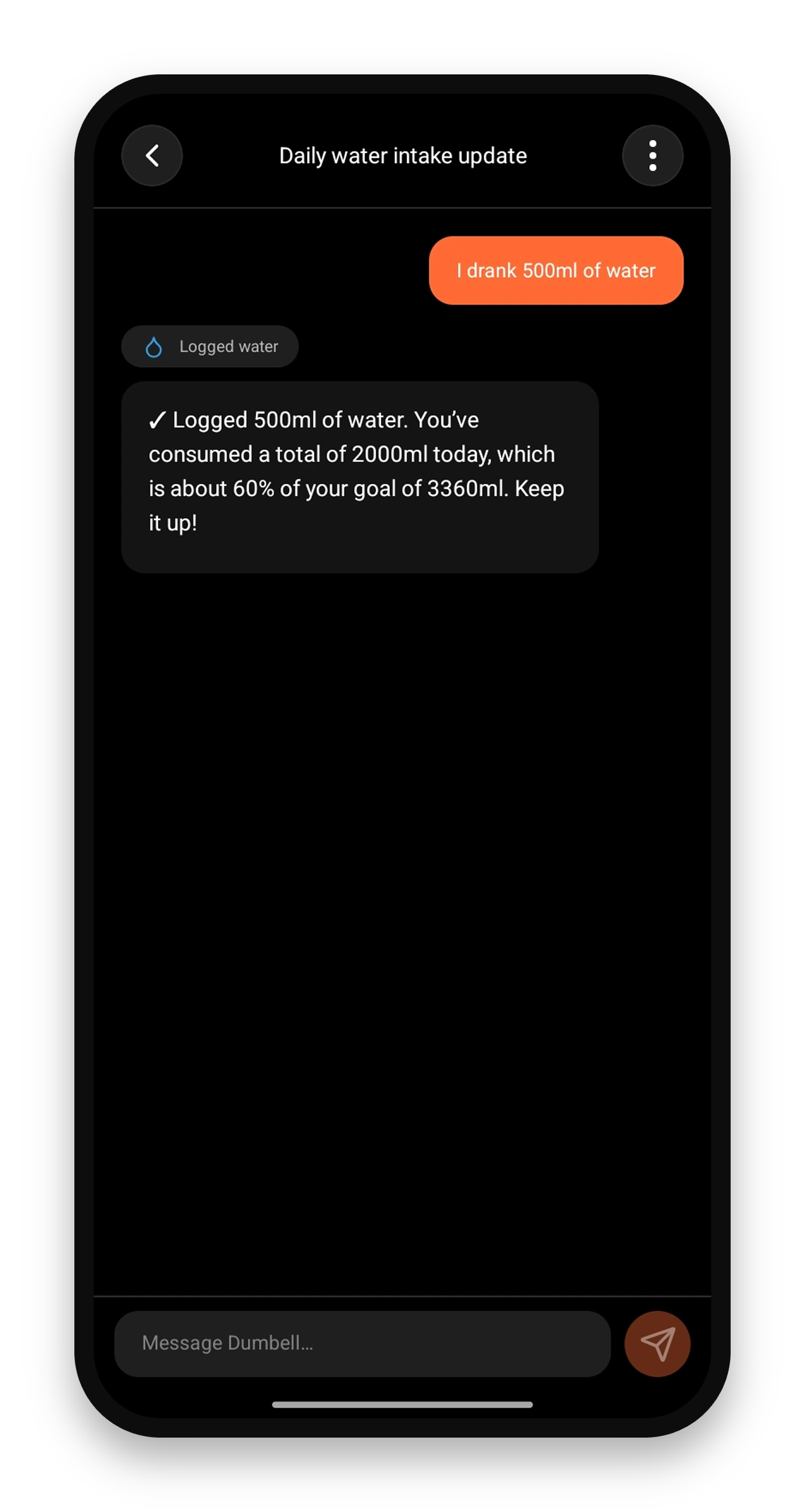
The simplest way to know if you're hitting your target is to log what you eat for a few weeks. In Health & Lifts you count protein by search or barcode, and Dumbell, the app's AI coach, helps adjust your meals to reach your daily target without the hassle.
Aim for 1.6 to 2.2 g of protein per kg, spread it through the day, and use whatever sources fit your routine and your budget. Combine that with a solid meal plan and strength training, and you'll have the foundation to build muscle. See also how to build a diet and whether creatine works.
Health & Lifts builds your workout with AI, counts your calories by barcode, and adjusts everything as you progress.
Does eating a lot of protein damage your kidneys?
In healthy people, high-protein diets don't show kidney damage in most studies. Anyone who already has kidney disease should follow specific medical advice. When in doubt, check with a doctor or dietitian.
Do I need whey protein to hit my target?
No. Whey is just a convenient, concentrated source. You can reach your goal with food alone (meat, eggs, dairy, legumes). The supplement helps when it's hard to eat enough.
AI workouts, an AI diet, a calorie counter, and an AI personal trainer in your pocket.
Creatine is one of the most studied supplements there is. See what it does, how to take it, and whether you need a loading phase.
Learn to build your diet from scratch: how to calculate calories, split protein, carbs and fat, and put your daily meals together.