Exercises3 min read
Bench press: how to do it, muscles worked and common mistakes
A bench press guide: the muscles it works, grip, arch, scapular retraction, foot drive, bar path, common mistakes and how to bench safely.
A complete barbell squat guide: the muscles it works, step-by-step execution, depth, common mistakes and how many sets to do as a beginner.
The squat is one of the most complete exercises in the gym. It trains a large part of your body in a single movement and is the backbone of any serious leg day. In this guide you'll learn which muscles it works, how to execute it safely, and the mistakes to avoid.
The squat is a multi-joint movement, so it recruits a lot at once:
Because it recruits so much muscle mass, the squat burns plenty of energy and gives a strong training stimulus, which helps with both muscle gain and fat loss.
Hold your breath on the way down and exhale only near the top. This keeps your torso stable through the hardest part of the rep.
Hitting parallel is plenty of stimulus for most people. Going deeper is only worth it if you can keep a neutral spine and your heels down. If your lower back rounds at the bottom (the classic "butt wink"), you've gone past your current mobility. Cut the range or work on ankle and hip mobility.
If you're starting out, prioritize technique over load. A solid starting point:
Log what you used each session and try to beat it next week, whether with more weight or more reps. In Health & Lifts you log your sets and Dumbell, the app's AI coach, tells you when it's time to add load.
If you train alone, use a rack with the safety pins set at the right height, so you can bail on the bar if you can't stand up. Warm up before heavy sets, and if you feel joint pain or have a history of injury, get guidance from a qualified coach or physiotherapist.
The squat is a long-term investment: nailing your technique now pays off for years. Start light, film your form, fix the details, and add load patiently. Pair it with the deadlift and the bench press for a balanced strength routine.
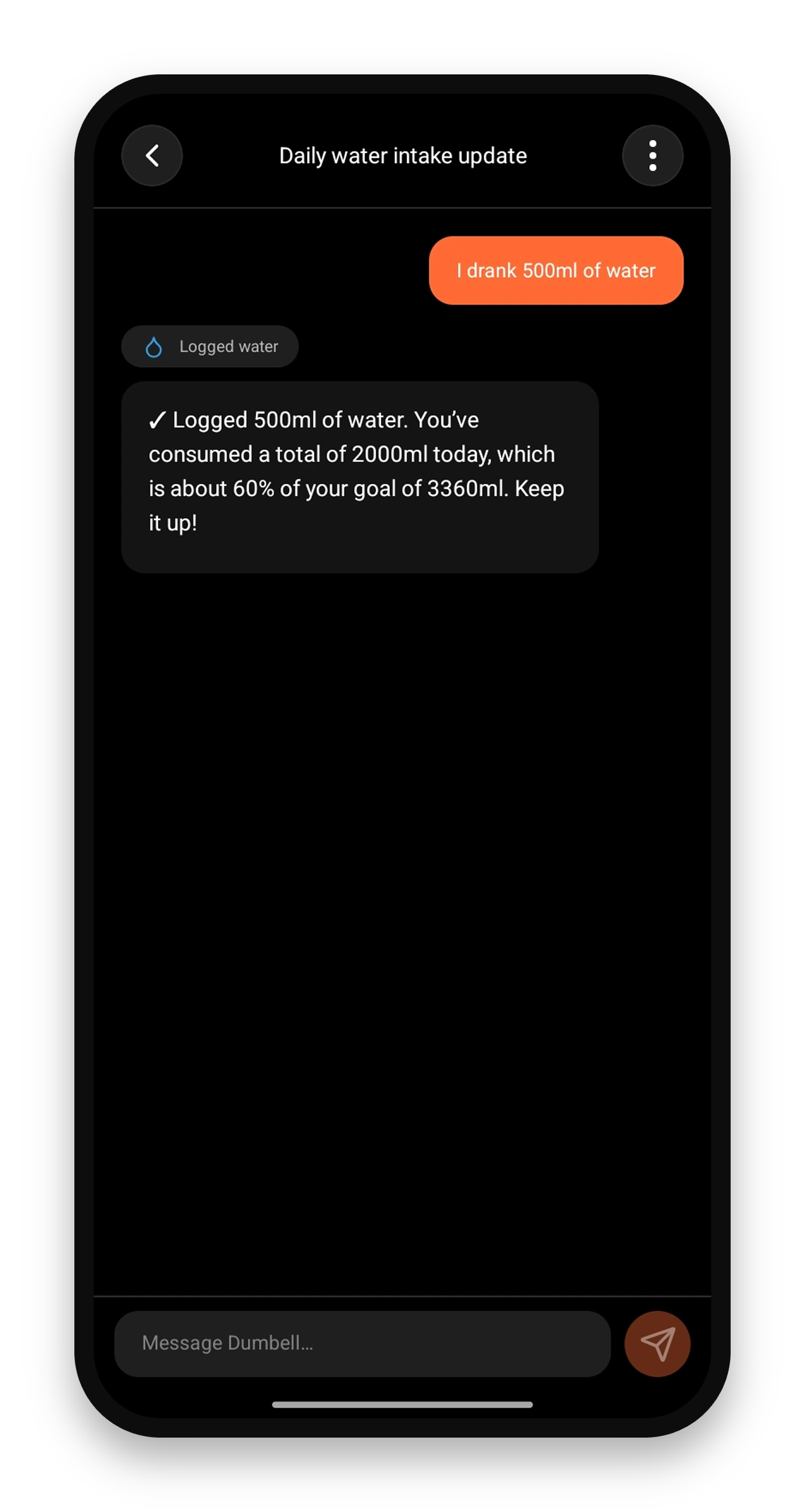
Health & Lifts builds your workout with AI, counts your calories by barcode, and adjusts everything as you progress.
How deep should I squat?
Aim to go at least to the point where your thighs are parallel to the floor, keeping a neutral spine and your heels flat. If you lose position before that, lower the load and work on mobility over time.
Is squatting bad for your knees?
Done with good technique, the squat is safe and actually strengthens the muscles around the knee. Pain usually comes from excessive load or poor form. If you have a history of injury, check with a professional first.
AI workouts, an AI diet, a calorie counter, and an AI personal trainer in your pocket.
A bench press guide: the muscles it works, grip, arch, scapular retraction, foot drive, bar path, common mistakes and how to bench safely.
A conventional deadlift guide: the posterior chain it works, setup, hip hinge, neutral spine, lockout, common mistakes and how many reps to do.