Exercises3 min read
Barbell squat: how to do it, muscles worked and common mistakes
A complete barbell squat guide: the muscles it works, step-by-step execution, depth, common mistakes and how many sets to do as a beginner.
A bench press guide: the muscles it works, grip, arch, scapular retraction, foot drive, bar path, common mistakes and how to bench safely.
The bench press is the best-known chest exercise and one of the main lifts for pushing strength. Done well, it builds the upper body evenly and is safe. In this guide you'll see which muscles it works, how to set up your form, and how to train without getting hurt.
The bench press is a horizontal push and mainly recruits:
Your back and core also work as stabilizers, keeping your torso locked into the bench.
The bar path is not a perfect straight line: the bar comes down to the chest and travels back slightly toward your head on the way up.
Log your loads every session. In Health & Lifts you track your bench progress and Dumbell, the app's AI coach, suggests when to add weight.
The bench press is where most solo-training accidents happen, because the bar can pin you against your chest. Two simple rules:
If you feel shoulder pain, review your form and load, and see a professional if it persists.
The bench press rewards attention to detail: grip, locked shoulder blades, firm feet and a controlled bar path. Start light, master the pattern and progress safely. Pair it with the barbell squat and the deadlift to cover the big strength patterns.
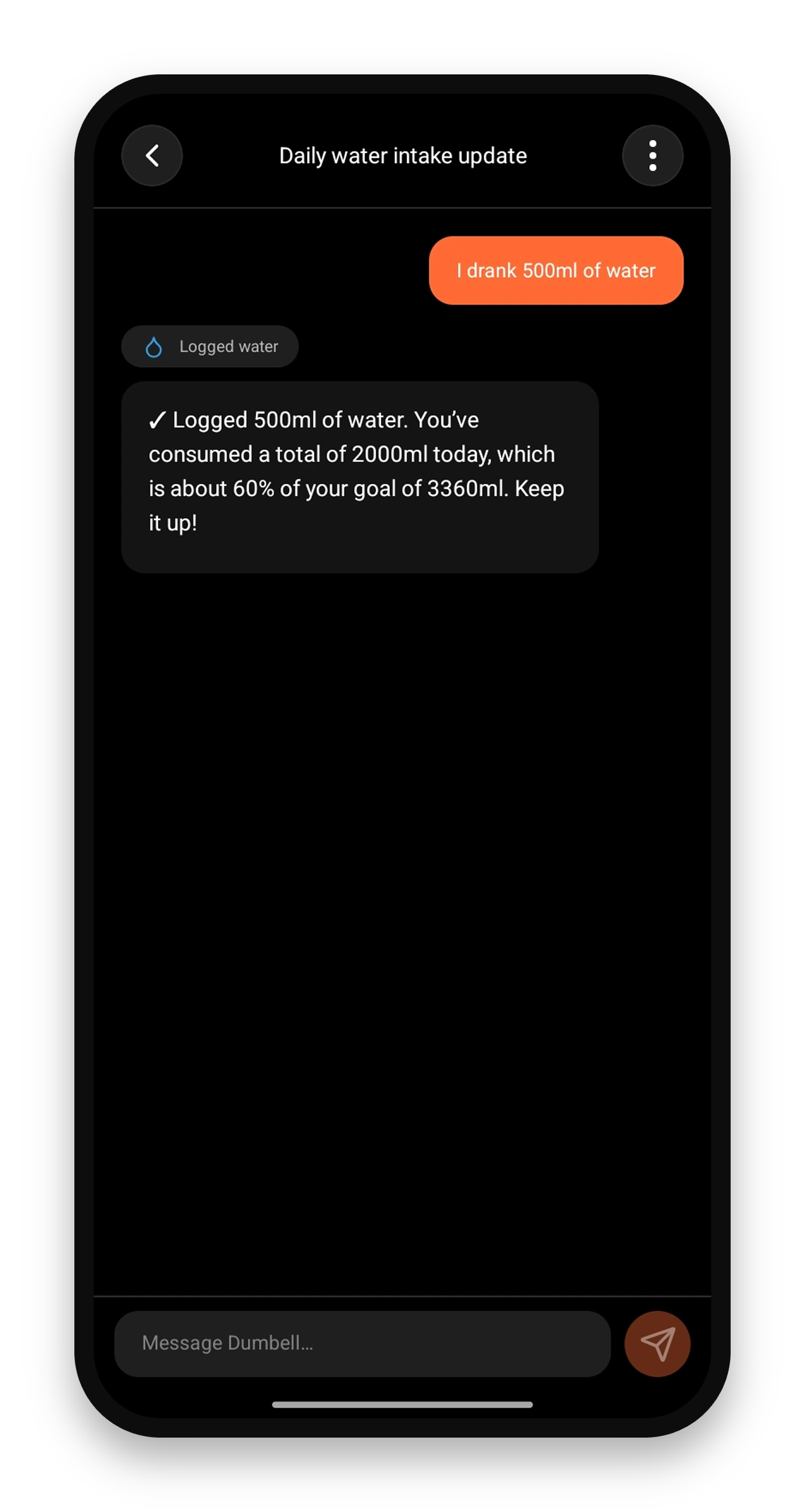
Health & Lifts builds your workout with AI, counts your calories by barcode, and adjusts everything as you progress.
Do I need a spotter for the bench press?
Whenever you go heavy, yes. A partner can help on the last rep and stop the bar from pinning you. Training alone, set the rack's safety pins at chest height so you can bail if you fail a rep.
Should I touch the bar to my chest?
Yes, ideally touch the bar to your lower chest under control, without bouncing. If you can't do that with good form, drop the load until you regain the full range of motion.
AI workouts, an AI diet, a calorie counter, and an AI personal trainer in your pocket.
A complete barbell squat guide: the muscles it works, step-by-step execution, depth, common mistakes and how many sets to do as a beginner.
A conventional deadlift guide: the posterior chain it works, setup, hip hinge, neutral spine, lockout, common mistakes and how many reps to do.