Exercises3 min read
Barbell squat: how to do it, muscles worked and common mistakes
A complete barbell squat guide: the muscles it works, step-by-step execution, depth, common mistakes and how many sets to do as a beginner.
A conventional deadlift guide: the posterior chain it works, setup, hip hinge, neutral spine, lockout, common mistakes and how many reps to do.
The deadlift recruits more muscle mass at once than any other lift and is one of the best for total-body strength. It's also the one that scares beginners most, almost always for the wrong reasons: with good technique, the deadlift is safe and extremely effective. In this guide you'll see which muscles it works, how to perform the conventional pull, and the mistakes to avoid.
The deadlift is dominated by the posterior chain, the muscles on the back of your body:
Your forearms, traps and core also work hard as stabilizers.
The deadlift is a hip hinge, not a squat. Your hips travel back as your torso leans forward, but your spine stays neutral from start to finish. Think about keeping your chest "proud" and your lower back slightly arched, never rounded.
Because it's a demanding lift, the deadlift usually uses fewer reps:
Rest well between sets and don't deadlift heavy every day. Log your loads in Health & Lifts, and Dumbell, the app's AI coach, helps decide when to progress without outrunning your recovery.
Warm up your posterior chain before heavy sets and always prioritize a neutral spine over more weight on the bar. If you feel lower-back pain during or after the lift, stop, review your technique and see a professional before continuing.
The deadlift looks intimidating, but it's just a hip-hinge pattern done with attention. Master the hinge light, keep a neutral spine and the bar close, and add load patiently. Pair it with the barbell squat and the bench press for a complete strength routine.
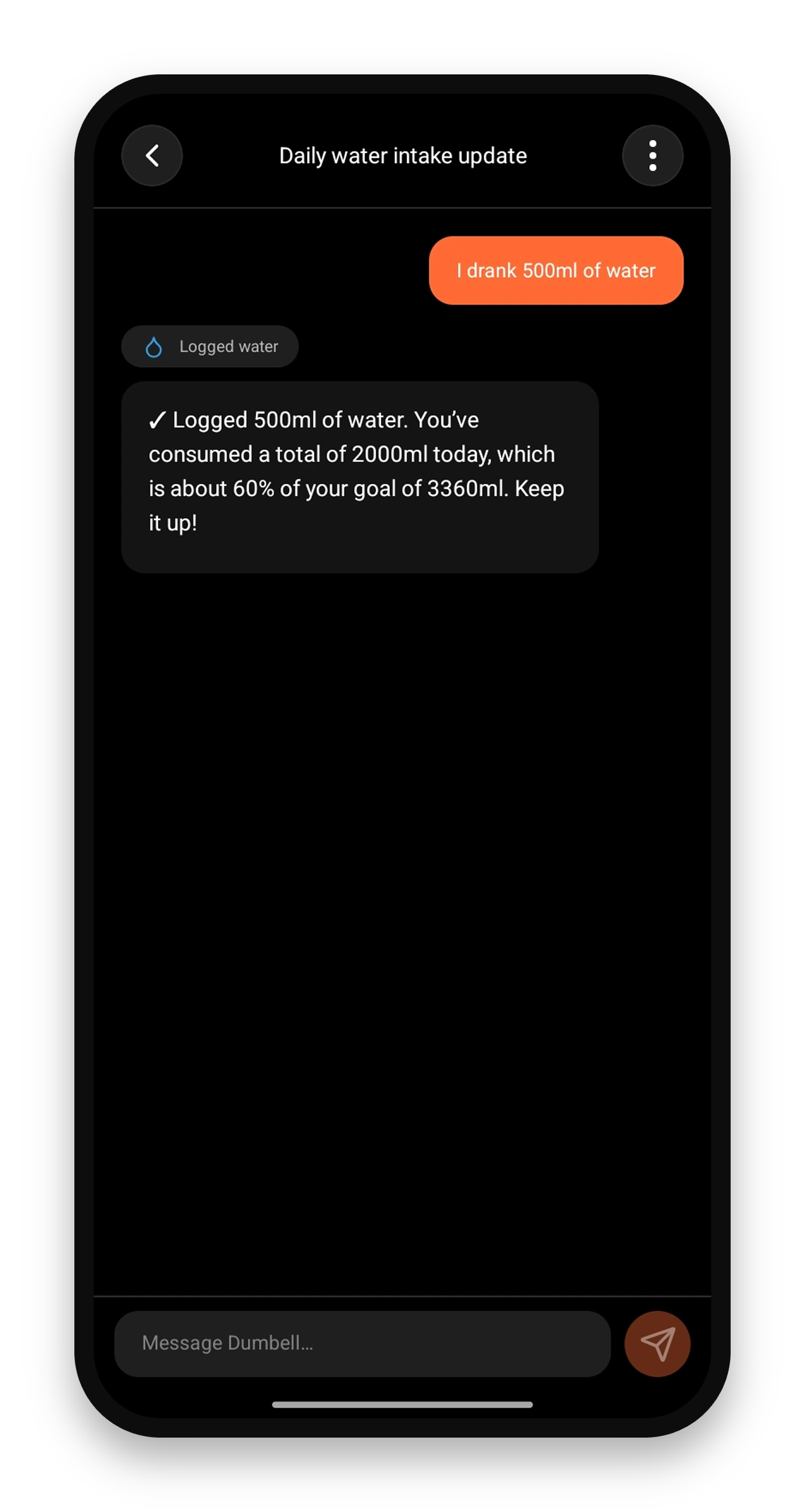
Health & Lifts builds your workout with AI, counts your calories by barcode, and adjusts everything as you progress.
Is the deadlift bad for your back?
Done with a neutral spine and an appropriate load, the deadlift strengthens your lower back and posterior chain. Injuries usually come from a rounded spine or weight beyond your technique. If you have a history of back pain, check with a professional first.
Should I pull explosively?
No. Take the slack out of the bar, get tight, and stand up under control and with power. Jerking the bar off the floor overloads your lower back and pulls you out of a safe position.
AI workouts, an AI diet, a calorie counter, and an AI personal trainer in your pocket.
A complete barbell squat guide: the muscles it works, step-by-step execution, depth, common mistakes and how many sets to do as a beginner.
A bench press guide: the muscles it works, grip, arch, scapular retraction, foot drive, bar path, common mistakes and how to bench safely.